Phobia is a type of anxiety disorder in human beings which is
characterized by the persistent fear of objects and situations.
Approximately 9% to 18% of people in the US are thought to struggle with
one or more phobias. For a fear of an object or situation to be
considered a phobia, it has to be long-lasting, for six months or more.
Victims of phobia usually take caution and sometimes even dangerous
measures to avoid contact and experience with their cause of fear. The
fear is developed after a horrible experience, either to the victim or
somebody else, the fear might be genetic and inborn, or it might develop
after a negative experience. Some of the most common phobias are
discussed below.
10. Mysophobia
Mysophobia is the fear of dirt due to contamination by bacteria and
germs. The phobia is also referred to as verminophobia, germophobia,
bacillophobia, or bacteriophobia. Bacteriophobia and bacillophobia
specifically refers to the fear of exposure and contamination to
bacteria and microbes in general. Mysophobia is characterized by victims
constantly washing their hands. In fact, some of the victims go to an
extent of owning a collection of disinfectants reserved for washing
their hands.
9. Agoraphobia
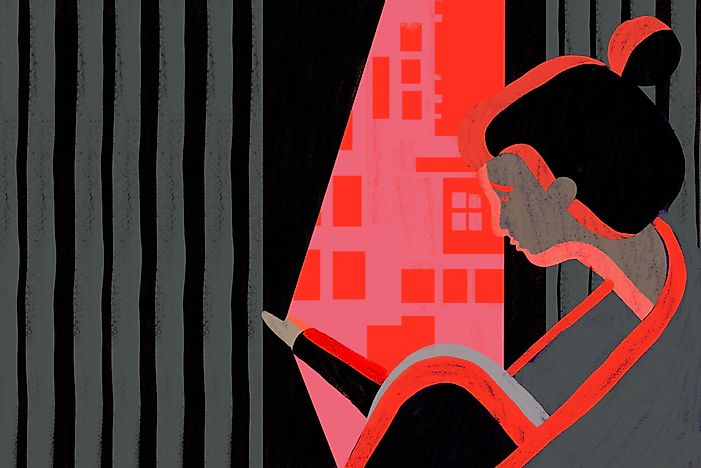
Agoraphobia is an anxiety disorder whereby the victims perceive
certain environments outside their residence as unsafe. They may have
fear of going to public places, shopping malls, or open spaces. The
victims will always try their best to avoid these places, with some
unable to leave their homes. Agoraphobia may be caused by genetic and
environmental factors. The victims may fear certain places because
someone close to them was hurt or killed while in those places. It has
also been known to be hereditary. Agoraphobia can be suppressed by
counseling the victims and putting them through Cognitive Behavioral
Therapy (CBT).
8. Social Phobia
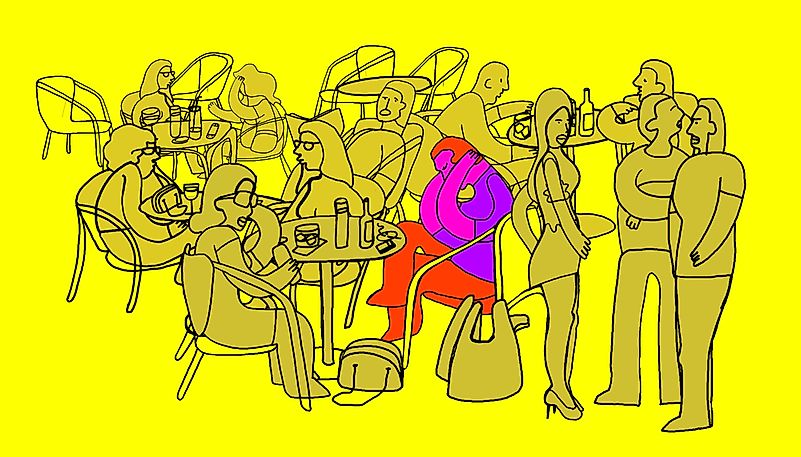
Social phobia is also known as social anxiety disorder. It is
characterized by extreme fear and anxiety of being in a social event or
situation. Social phobic individuals have traits that exceed normal
levels of shyness that people might experience when they are in a social
situation. They are extremely afraid to engage in a conversation with a
stranger. The affected people are extremely afraid of being the center
of attention or afraid of behaving in a way that would be embarrassing
and humiliating to them. The victims usually have signs such as
blushing, stammering, excessive sweating, nausea, or trembling when they
are in social places. In extreme cases, some victims experience panic
attacks.
7. Trypanophobia
Trypanophobia is the extreme fear of a medical procedure that
involves injections and hypodermic needles. Those who have this phobia
go to an extent of avoiding blood tests and medical care even if they
are extremely sick for the fear injection. An estimated 10% of American
adults suffer from trypanophobia. When about to be injected, the
affected people get extremely irritated and experience symptoms like
excessive sweating, nausea, high heart beat rate, and in extreme cases
the victims might faint. Some of the victims get irritated when they see
another person undergoing medical procedures that involve injections.
6. Astraphobia
Astraphobia, also known as astrapophobia, brontophobia,
keraunophobia, or tonitrophobia, is the fear of lightning and thunder.
It is developed by both human beings and other animals. Animals that
mostly experience astraphobia are dogs and cats. Even if the threat is
minimal, the affected persons will feel very anxious. During the storm,
the victims can feel nauseated, cry, tremble, sweat excessively, sudden
and urgent need to urinate, and a rapid heartbeat. The fear is usually
more intense when the victim is alone. They often cover their ears with
their hands and seek for extra shelter during thunderstorm. They may
hide under a bed or in a closet to help them suppress the sound and
light. They are usually alert to get news and updates on weather
forecasting and will rarely go out without checking weather updates.
Repeated exposure to lightning and thunder helps to build immunity.
5. Cynophobia
Cynophobia is the fear of dogs. The victim may also be freaked out by
just looking at the photos of dogs. More females are affected by this
phobia than males. In fact, most adults that have cynophobia may have
developed it during childhood, especially between the ages of 5 to 9
years. Cynophobia often develops after a victim has a nasty experience
with a dog, such as being bitten or chased, or after hearing horrible
stories about dogs from other people.
4. Aerophobia
Aerophobia is the fear of flying. The victims of aerophobia get
anxious and very afraid at the mere thought of being in an airplane or a
helicopter. They often try their best to avoid journeys that would
involve air travel. In extreme cases, the victims could vomit or get
panic attacks at the sight or mention of air travel. They become very
irritable and distressed when a planned air travel approaches. Constant
air travel helps eliminate aerophobia. Cognitive Behavioral Therapy can
also be administered.
3. Acrophobia
Acrophobia is the fear of heights. Most with acrophobia get extremely
nervous and anxious when they are in an elevated place. Although the
place might not be considered very high by other people, to the
acrophobic it can still be a source of extreme fear. The fear comes with
the thought of falling, and symptoms begin to subside when back on the
ground. While in high places, they sweat excessively, experience panic
attacks, increased heartbeat, and might even pass out. Antidepressants
and ant-anxiety drugs can be administered to help reduce the fear.
2. Ophidiophobia
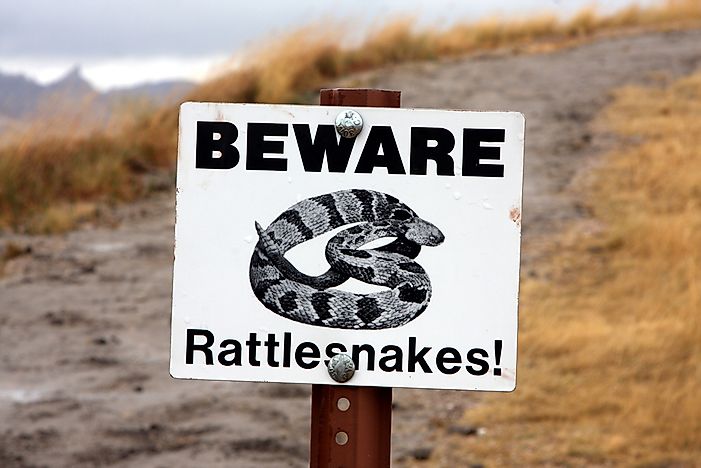
Ophidiophobia is the fear of snakes. The victims get freaked out by
the fear of venom or being bitten by snakes. It is the most common
phobia reported by most people. In fact, researchers have found out that
up to one-third of human beings are ophidiophobic. The victims not only
fear live snakes, but also get extremely scared by just watching a
snake video or looking at snake pictures. The fear is more common in
adults than children. In fact, children have been found to play around
with snake not knowing the dangers they might be exposing themselves to.
1. Arachnophobia
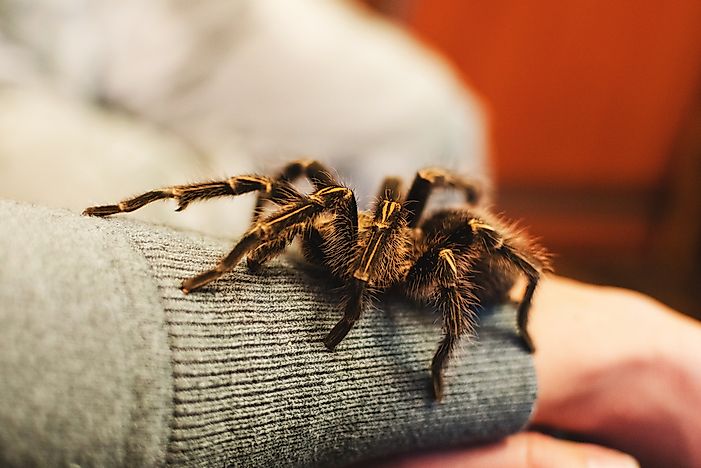
Arachnophobia is the fear of spiders and other arachnids such as
scorpions. It is one of the most common phobias. The victims usually get
panic attacks, faint, sweat excessively, cry, or scream at the sight of
spiders and other arachnids. In some extreme cases, just a sight of a
web or drawings of spiders triggers a sudden outburst of fear. Some
victims have been known to take bold steps such as burning down a house
to get rid of a spider. The victims go a long way in trying to avoid a
place that they think could harbor spiders. Sedatives and espouser
therapy can help reduce arachnophobia.
Top Most Common Phobias On Fow24news.com
Reviewed by FOW 24 News
on
January 17, 2018
Rating: 5 Phobia is a type of anxiety disorder in human beings which is characterized by the persistent fear of objects and situations. Approxi...











No comments: